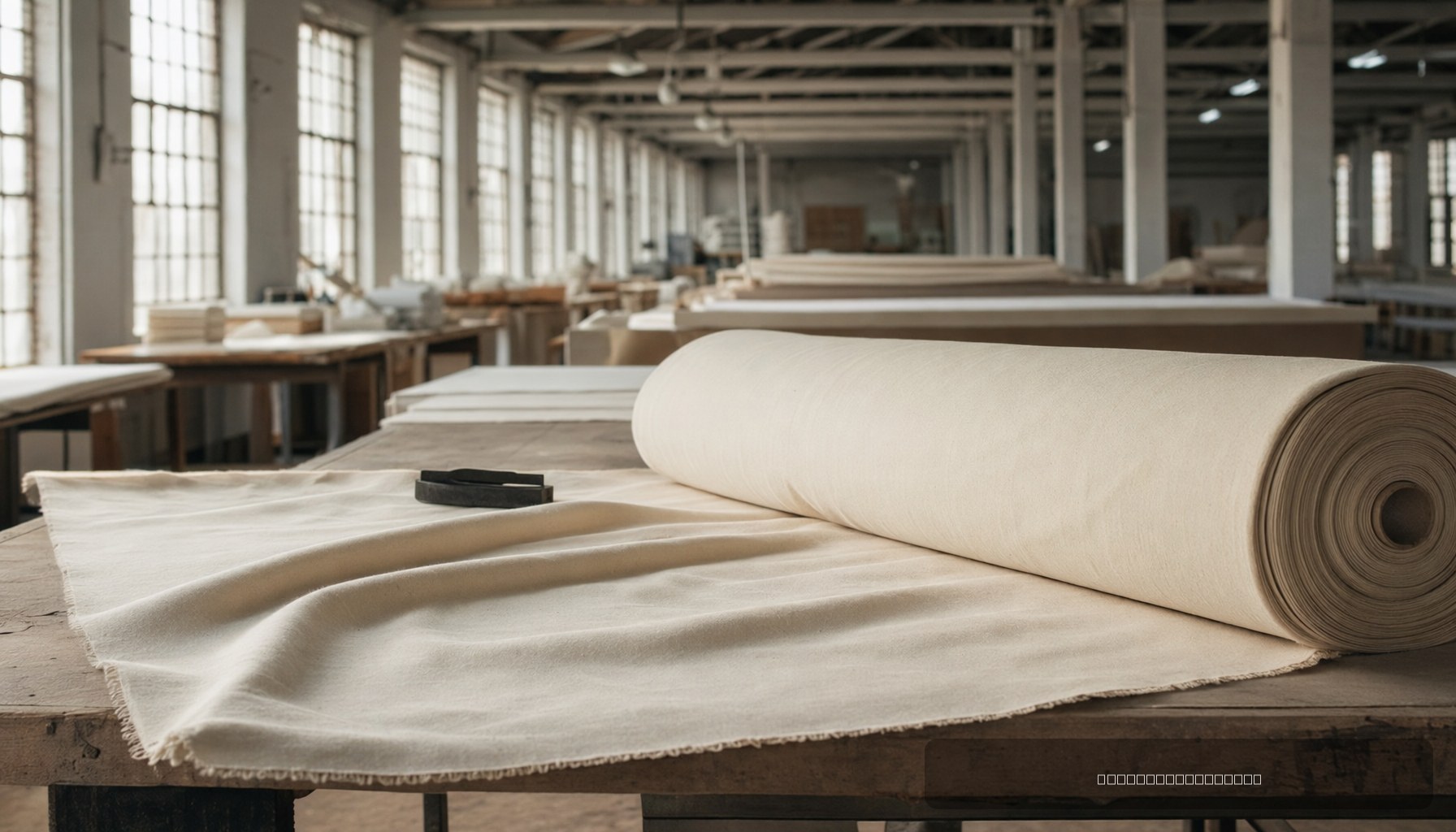
800-plus new Indian brands since 2019 have cut lead times to 30-75 days and multiplied product drops, putting factory capacity and compliance standards under simultaneous pressure.
This article is for informational purposes only and does not constitute legal, compliance, or sourcing advice. Verify certification and regulatory requirements with the relevant standards body or counsel.
Editorial note: Reported by The Sourcing Desk editorial team. We cross-reference claims against standards-body publications, regulatory filings, and primary sourcing data. Published 2026-07-22.
More than 800 digital-first apparel brands have entered India's domestic market since 2019, according to Apparel Resources, and the combined effect on factory capacity, lead times, and compliance expectations is now measurable enough that sourcing managers with India-based supply chains need to treat it as a structural shift rather than a cyclical spike.
The who, what, where, when, and why are straightforward. Indian consumers in metro and non-metro cities alike are buying more apparel through online platforms, exclusive brand stores, and organised multi-brand retail. Redseer Strategy Consultants projects those channels will account for over 60% of Indian apparel sales by 2030, up from a market that was historically dominated by unorganised, unbranded trade. The brands chasing that share are digital-native, trend-responsive, and structurally dependent on suppliers who can move in weeks rather than months. The factories serving them are the same factories that international sourcing teams have been qualifying, auditing, and certifying for export markets.
That overlap is the problem. When 800-plus domestic brands compete for the same spinning, cutting, and sewing capacity that export buyers rely on, the question is not just whether your order gets delivered on time. It is whether the compliance and certification infrastructure you have built into your supplier relationships survives the commercial pressure those domestic brands are applying.
What this means for sourcing teams
Lead time compression is the most visible signal. Chetan Siyal, CMO and Founder of men's fashion brand Snitch, told Apparel Resources that the brand targets 30 to 45 days depending on category. Vinay Chatlani, Co-Founder and CEO of women's ethnic wear brand Soch, put the figure at 50 to 60 days for trend-led products, down from 90 to 120 days previously. Sanjay Shukla, Senior VP at sourcing intermediary Triburg, cited 60 to 75 days as the current norm versus 90 days earlier. Ankit Jaipuria, Co-founder of manufacturing platform Zyod, noted that brands are now running eight to twelve product launches per year rather than two seasonal collections, with some expecting six to eight week turnarounds on individual styles.
For international sourcing teams, this creates a specific operational risk: suppliers under domestic-brand pressure to turn orders in six weeks have less time to run the internal quality checks, chemical compliance tests, and documentation processes that certification bodies such as the Global Organic Textile Standard (GOTS) or OEKO-TEX require. Audit windows that were already tight get tighter when a factory is running eight to twelve overlapping order cycles rather than two.
Practical steps sourcing teams should take now:
- Map your Tier 1 and Tier 2 Indian suppliers against their current domestic order load. A factory running at 85% capacity for domestic brands has less buffer for the documentation and sampling steps your compliance programme requires.
- Require suppliers to maintain separate production scheduling records for export and domestic orders. This is not standard practice in most Indian mid-tier factories, but it is the only way to verify that your certified production runs are not being mixed with uncertified domestic batches.
- Revisit minimum order quantity (MOQ) clauses. Domestic brands are deliberately starting with small trial orders and scaling up, which means factories are increasingly comfortable with short runs. That flexibility can work in your favour for test-and-replenish programmes, but it also means factories are less likely to push back on requests that compress quality timelines.
- Check whether your suppliers' GOTS, OEKO-TEX, or Textile Exchange certifications cover their full production scope or only specific lines. Certification scope creep is a known risk when factories add domestic clients who do not require certified production.
- Collect and retain transaction certificates (TCs) for every certified order, not just annually. The volume and speed of order cycles in the current environment makes retroactive documentation reconstruction difficult.
On the supplier selection side, the domestic market is gravitating toward larger manufacturers that can offer scale, speed, and multiple capabilities under one roof, as Jaipuria noted. That consolidation trend is worth watching: a factory that wins significant domestic brand volume may deprioritise the compliance overhead that export certification requires. Conversely, premium and design-led domestic brands are building curated supplier networks around specialised craft capabilities, and those suppliers may be better positioned to maintain certification discipline because their domestic clients also value quality consistency.
What changed
The structural shift is the replacement of India's traditional unorganised apparel market with organised, brand-led retail at speed. The 60%-plus online and organised retail share projected by Redseer for 2030 is not a distant forecast. The brands building toward it are already in the market, already placing orders, and already reshaping what factories consider a normal order cycle.
Hemant Jain, Joint Managing Director of Kewal Kiran Clothing Limited, described the new operating model plainly: multiple product drops per year, shorter replenishment windows, and a tight feedback loop between sell-through data and production decisions. Narendra Bubna, Promoter of Only For U Designs, a manufacturer of women's western wear and Middle East styles, noted that buyers will not switch suppliers for a 3 to 5 percent price difference if quality and delivery are reliable, which signals that the domestic market is maturing past pure price competition.
Technology investment is accelerating alongside this shift. Zyod has built a proprietary ERP platform and added factory capacity bringing monthly additions to nearly US $4 million. Arjun Gupta, Founder and CEO of KragBuzz Sports, a sportswear and active lifestyle retailer, cited strengthened digital design, inventory management, and production planning tools. PLM software, RFID floor tracking, and demand-sensing tools connected to near-real-time sell-through data are moving from optional to baseline expectation among the more capable domestic manufacturers.
Sustainability is following the same trajectory, from aspiration toward expectation, driven partly by export market requirements and partly by a domestic consumer base that the Apparel Resources report describes as increasingly aware. That framing is worth treating with some caution: "increasingly aware" domestic consumers do not yet translate into the kind of third-party verified certification requirements that the EU's Corporate Sustainability Due Diligence Directive (CSDDD) or the Uyghur Forced Labor Prevention Act (UFLPA) impose on export supply chains. The compliance bar for domestic Indian sales remains materially lower than for EU or US export.
Limitations and open questions
Several things are not yet settled. The Apparel Resources report draws on brand and manufacturer interviews rather than audited production data, so the lead time figures (30 to 75 days across sources) are self-reported and may reflect aspirational targets as much as consistent operational reality.
The compliance trajectory for domestic Indian brands is genuinely unclear. India does not yet have a mandatory supply chain due diligence law equivalent to the CSDDD or Germany's Lieferkettensorgfaltspflichtengesetz (LkSG). The Bureau of Indian Standards (BIS) has expanded textile quality control orders in recent years, but certification requirements for domestically sold apparel remain fragmented and category-specific. Whether the 800-plus new domestic brands will raise or lower the average compliance floor in Indian factories depends largely on which brands gain market share and whether any move toward voluntary certification as a brand differentiator.
The capacity question is also unresolved. Zyod's US $4 million monthly capacity addition is one data point. Sector-wide capacity data for India's domestic apparel manufacturing base is not published in a form that allows sourcing teams to model supply tightness with precision. The Confederation of Indian Textile Industry (CITI) and the Apparel Export Promotion Council (AEPC) publish export-focused data, but domestic production absorption is harder to track.
Finally, the credit terms problem flagged by multiple manufacturers in the Apparel Resources report deserves attention. Extended payment cycles from domestic brands are squeezing working capital at precisely the moment factories need to invest in technology and compliance infrastructure. A factory under working capital pressure is a factory that may defer certification renewal, skip third-party audits, or cut corners on chemical testing. Sourcing teams should ask suppliers directly about their domestic receivables position as part of financial due diligence.
This article is for informational purposes only and does not constitute legal, compliance, or sourcing advice. Verify certification and regulatory requirements with the relevant standards body or counsel.
Sources
- The New Rules of Apparel Sourcing in India, Apparel Resources
- Redseer Strategy Consultants: India Consumer and Retail Research
- Global Organic Textile Standard (GOTS): Certification Requirements
- Textile Exchange: Standards and Certification Overview
- EU Corporate Sustainability Due Diligence Directive (CSDDD), European Commission
- Uyghur Forced Labor Prevention Act (UFLPA), US Customs and Border Protection
- Apparel Export Promotion Council (AEPC): Industry Data
- OEKO-TEX: Certification and Standards